Prevention and screening for heart failure
 © Tetiana – stock.adobe.com – generiert mit KI
New medicines and treatment approaches offer justified hope. They can alleviate symptoms and give patients precious extra years of life. It would be even better, however, if it did not have to come to that in the first place. Fortunately, prevention is becoming increasingly important, precisely because heart failure is so closely linked to metabolic risk factors. In clinical practice, however, this approach has so far been inadequately implemented. A large proportion of initial diagnoses – around 60 to 80 per cent – are still only made in hospital. Many patients are first seen during an episode of acute decompensation, often at an advanced symptomatic stage and not infrequently via A&E.
Focus on early detection
As a result, our therapeutic approach is predominantly geared towards secondary prevention. We treat existing heart failure, optimise therapy and management, but rarely intervene early in the course of the disease. A structured early detection programme, such as that long established in oncology, is currently lacking. Yet the conditions for this are in place. Due to its high prevalence, hospitalisation rate and mortality, heart failure is one of the greatest health problems of the 21st century and imposes immense costs on the healthcare system. Furthermore, suitable screening tools are available in the form of biomarkers such as NT-proBNP. There is also strong evidence that early intervention, even before symptomatic heart failure manifests, has a beneficial effect on the subsequent course of the disease.
It is crucial that such screening is embedded within a clear care pathway. Defined procedures, reliable referral pathways and effective interfaces between primary care and specialist centres are required. Internationally, this approach is already taking shape. Professional societies are placing ever greater emphasis on screening and primary prevention in order to detect heart failure at an earlier stage and intervene proactively. In addition, disease management programmes for heart failure, such as HerzMobil Steiermark, raise the quality of care to a significantly higher level, as they improve the prognosis for those affected and reduce repeat hospital admissions by providing patients with close telemedical support immediately after their hospital stay and seamlessly integrating care between hospitals, GPs and specialist nursing staff.
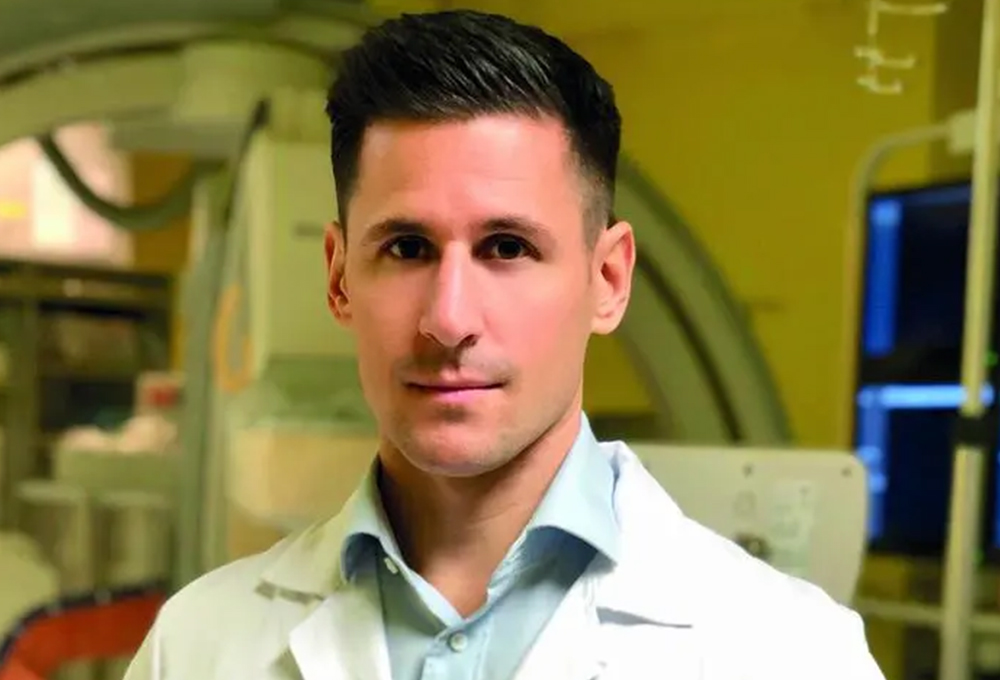
Tips from Markus Wallner, Division of Cardiology at the Medical University of Graz, on how to look after your heart
If you want to keep your heart fit in the long term and in every respect, there are many ways to achieve this. From diet and exercise to giving up unhealthy habits: your heart will thank you for every improvement.
Regular exercise
Exercise, particularly endurance sports, is a boon for the heart. Ideally, you should exercise for at least 30 minutes on five days a week, making a total of 150 minutes per week. There are plenty of options here: running, swimming and cycling are the classics, but alternatives such as dancing or, in winter, cross-country skiing are also a boon for the heart. A bit of strength training to complement your cardio sessions is also recommended. But be careful: if you’re aging or have had a long break from exercise, you should adjust the intensity so as not to overexert yourself.
Healthy diet
A balanced and healthy diet has a wide range of benefits for the cardiovascular system. It reduces inflammation, lowers cholesterol levels and blood pressure, and keeps the blood vessels supple. Your diet should be as high in fibre as possible, include plenty of fruit and vegetables, rely on pulses and fish as sources of protein, and use salt in moderation.
Avoiding excess weight
Anyone who takes the first two tips to heart is already well on the way to following our third piece of advice for a healthier heart. Being overweight is one of the main factors contributing to high blood pressure, which can cause lasting damage to blood vessels and organs over time, often silently and without being noticed for a long time.
Avoiding stress
Stress is sometimes unavoidable, but it shouldn’t become a constant companion. When we’re under stress – for whatever reason – our body releases stress hormones. These hormones cause blood pressure to rise, the heart to beat faster and the whole body to prepare for an emergency. This makes us more productive in the short term, but in the long run, being constantly ‘under pressure’ is harmful. Anyone who cannot escape stress should at least schedule regular periods of rest and relaxation to give the body a break.
Sufficient sleep
Of course, the heart continues to beat tirelessly whilst we sleep, but the time we spend in the realm of dreams is an important factor in the body’s recovery: metabolic processes are regulated, blood pressure drops and repair processes in our cells are triggered.
Keeping an eye on your readings
To be able to intervene in good time should any problems arise, it is important to check a few key indicators regularly. Blood pressure, cholesterol levels and blood sugar levels are parameters of the utmost importance for heart health. These values should always be a priority, particularly if there is a family history of heart disease or if certain conditions are already present (such as high blood pressure or diabetes).
Kicking bad habits
Smoking and regular alcohol consumption are killers for the heart. Smoking, in particular, causes massive damage to the blood vessels, and so giving up smoking can be the most effective measure for smokers to protect their hearts. Alcohol should also be avoided where possible due to its consequences (weight gain, obesity, high blood pressure).
Contact
Division of Cardiology
Medical University of Graz