Hands-on training in stroke prevention
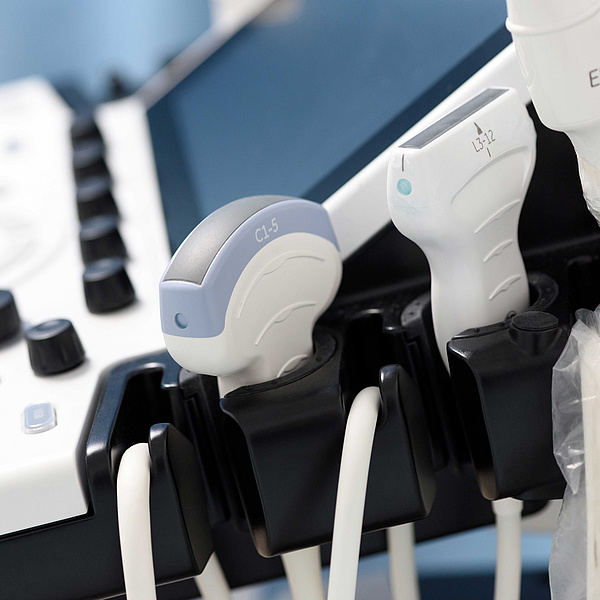 Ultraschall-Gerät
-
© stock.adobe.com - Андрей Жерновой
Ultraschall-Gerät
-
© stock.adobe.com - Андрей Жерновой
How can the teaching and training of medical students be improved? This is a question that the Medical University of Graz is constantly addressing. Motivated teams within the Department of Education and Teaching are working on ways to enhance and modernise the training of young doctors. One of these teams recently demonstrated their success with a publication in the journal *BMC Medical Education*, one of the most prestigious journals in this field. Staff at the Department of Neurology, led by Julian Elbischger and Markus Kneihsl, have completed an innovative and successful teaching project with a course on neurovascular ultrasound, highlighting the possibilities in this field.
An important tool for stroke prevention and diagnosis
Just under a third of all strokes are caused by occlusion of the major vessels supplying the brain (such as the carotid artery). Neurovascular ultrasound is an important tool for rapidly detecting vascular wall deposits (known as plaques) as a cause of stroke or for identifying them at an early stage during screening examinations. The examination is non-invasive, can quickly provide insights into potential problems with blood flow to the brain, and represents an important tool for doctors across various medical disciplines (including neurology, internal medicine, radiology and vascular surgery).
Practical training as a strategy for success
The study involved 51 students at various stages of their studies who completed a practice-oriented and standardised course. The focus was on working in small groups and hands-on training, so that the content could be conveyed to the students as directly as possible.
Before the course began, all participants took a theory test followed by a theoretical introduction to the topic of neurovascular ultrasound. This was followed by a total of five training sessions and a practical examination, which tested their ability to independently perform an exploratory neurosonographic examination. “Structured and resource-efficient teaching concepts enable high-quality, practice-oriented ultrasound training. Hands-on training in small groups quickly leads to measurable practical skills,” said lead author Julian Elbischger.
A successful debut
Participation in the course proved worthwhile for the students. 86% of students achieved an exam score of over 70%. It was particularly noteworthy that the results were independent of the students’ prior ultrasound experience, which speaks to the quality of the course structure. “The results support the Medical University of Graz’s approach of strengthening practice-oriented teaching to improve patient care in the long term,” summarises Markus Kneihsl. In the long run, the training can help improve the quality of stroke prevention and diagnosis.
Further Information:

Medizinische Universität Graz
Universitätsklinik für Neurologie