Healthy aging starts from within
 Labormedizin
-
© Saqlain - Adobestock.com - generiert mit KI
Labormedizin
-
© Saqlain - Adobestock.com - generiert mit KI
Sayings such as ‘50 is the new 30’ have become part of our everyday lives and highlight the fact that 50-year-olds today often feel as active as previous generations did in their 30s. On the other hand, many middle-aged people have also been facing health limitations for years. Aging research is investigating this ‘imbalance’ – the result of finely tuned biological processes – and is providing insights into healthy aging that can often be incorporated into everyday life with little effort. At the Medical University of Graz, many disciplines are active in this field of science, including laboratory medicine, which forms the basis for a new and even more precise form of medicine, not only as a diagnostic tool but also as a research discipline.
Aging leaves its mark long before we notice it
Aging does not begin suddenly. Rather, numerous processes in the body change over many years. Metabolism, hormone balance and the immune system adapt, usually without us noticing. Among other things, these changes affect the health of bones and muscles and contribute to the fact that people age differently. The challenge for modern medicine is to gain a better understanding of these developments. This is precisely where laboratory medicine comes in. With the help of increasingly precise testing methods, biological changes can be made visible and correlations identified that have long remained hidden.
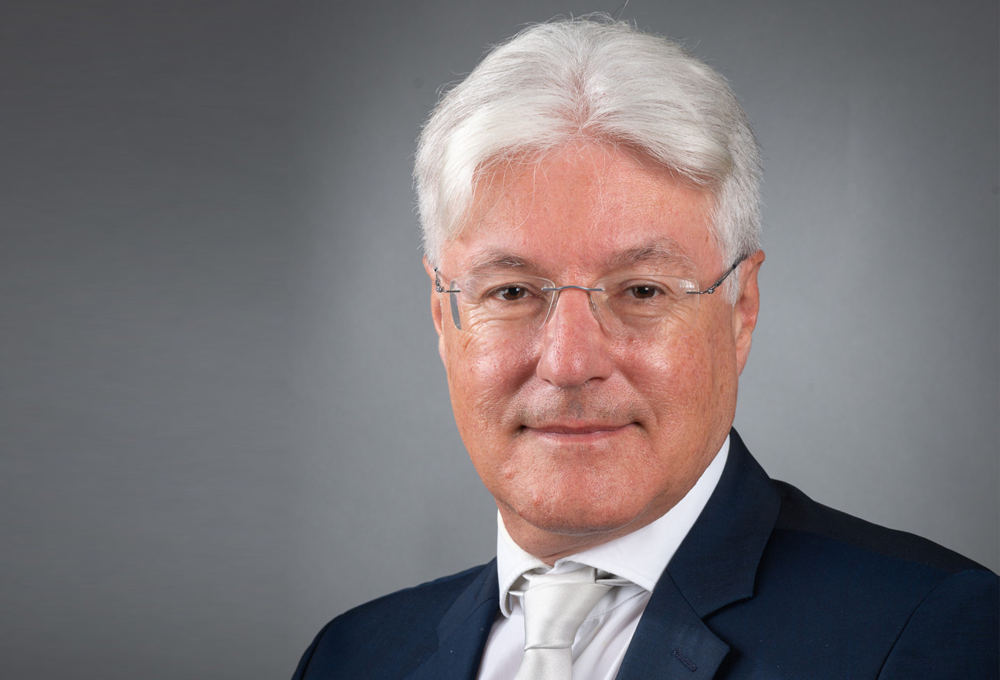
“Laboratory medicine is undergoing a profound transformation. International collaboration and new technologies are crucial for gaining a better understanding of biological relationships and rapidly translating innovative diagnostic procedures into patient care,” explain Markus Herrmann and Harald Mangge from the Clinical Institute of Medical and Chemical Laboratory Diagnostics at the Medical University of Graz.
Bile acids: more than just aids to digestion
Bile acids play a role in Aging that should not be underestimated. Bile acids are primarily known for their role in fat digestion. The fact that they also act as signalling molecules and influence numerous metabolic processes is a relatively recent discovery. It is precisely these connections that Nerea Alonso’s research group at the Medical University of Graz is investigating in collaboration with international partners. The focus is on the question of what role bile acids play in the age-related loss of bone and muscle mass. After all, it is precisely these changes that are among the most common causes of reduced mobility and quality of life in aging. The ‘Bile Acid Network Graz’ (BANG) brings together scientists from various disciplines. The aim is to gain a better understanding of the complex interactions within the metabolism and to identify new avenues for prevention and treatment.
Bones are living tissue
What many people do not realise is that bones are not a rigid framework. They undergo constant remodelling throughout a person’s life. Bone tissue is continuously being built up and broken down. If this finely tuned balance is disrupted, diseases can develop. Together with international partners, researchers at the Medical University of Graz are working to decipher these processes in greater detail. Particularly in the case of chronic conditions, new investigative methods are intended to help detect changes at an early stage and, in future, tailor treatments even more precisely to individual patients. “The combination of complementary technologies and close collaboration with leading international centres enables us to investigate complex metabolic processes with a high degree of precision,” says Markus Herrmann.
Vitamin D and vitamin K: a well-coordinated team
It is widely known that vitamin D is important for bones, muscles and the immune system. However, many people are less aware of the role played by vitamin K2. Recent research findings show that both vitamins work closely together and complement each other’s functions. Whilst vitamin D supports, amongst other things, the absorption of calcium, vitamin K plays a key role in its incorporation into the bones. This interaction also appears to be significant for the health of blood vessels. It is precisely such interactions that demonstrate just how complex healthy Aging actually is. Individual factors rarely act in isolation; what is crucial is the interplay of numerous biological processes.
Not a fountain of youth, but a complex system
The search for the secret to healthy aging has occupied the scientific community for decades. It has not, however, found a single ‘fountain of youth’. Instead, our understanding of how many factors interact is constantly growing. Metabolic processes, micronutrients, exercise, diet, sleep and psychosocial influences are all interlinked and influence one another. It is precisely this interplay that lies at the heart of research at the Medical University of Graz. The aim is to gain an ever-better understanding of the biological foundations of Aging and to derive new possibilities for prevention and personalised medicine from this. The search for the causes of healthy aging is leading research ever deeper into the world of molecules and metabolic pathways. However, the answers it finds there often begin with surprisingly simple things: regular exercise, sufficient sleep, a balanced diet and the value of social relationships. So perhaps ‘50 is the new 30’ is less a promise of eternal youth than an expression of a better understanding of what helps people to live healthy, active and independent lives for as long as possible.
Tips for healthy aging
Healthy aging results from the interplay of many factors. Scientific evidence repeatedly points to a number of areas that everyone can influence themselves.
Stay
active Regular physical activity is one of the most important protective factors for health in old age. Even frequent walking, climbing stairs or short bursts of exercise in everyday life have a positive effect on muscles, metabolism and the cardiovascular system.
Sleep
well Important regenerative processes take place during sleep. Regular bedtimes and a quiet environment help the body to recover.
Eat
a varied diet A balanced, predominantly plant-based diet has been linked to positive health effects in numerous studies. This includes plenty of fruit and vegetables, fibre-rich wholemeal products, as few highly processed foods as possible, and fermented products such as natural yoghurt, kefir, sauerkraut or kimchi.
Drink
enough Water plays a vital role in almost all metabolic processes. Regular fluid intake helps the body to maintain its functions.
Maintain
social connections Not only physical but also psychosocial factors influence health during aging. Stable relationships, a sense of purpose in life and a mindful approach to stress have been linked to healthy aging in numerous studies.
These factors do not operate in isolation but influence one another. It is precisely this interconnection that is now the focus of healthy aging research.
Further information
Clinical Institute of Medical and Chemical Laboratory Diagnostics
Medical University of Graz