Diversity in aging: Interview with Regina Roller-Wirnsberger
 ©killykoon - stock.adobe.com
The population is not only ageing, but also becoming more diverse. Factors such as education, income, gender, cultural background and health literacy have a significant influence on how people age and the health challenges they face in later life. This is highlighted by Regina Roller-Wirnsberger, Professor of Geriatrics and Competence-Based Curriculum Development at the Department of Internal Medicine at the Medical University of Graz. Read more in this in-depth interview with the renowned researcher.
How do factors such as gender, ethnic origin or socio-economic status influence the course of illness in later life?
The course of illness in later life is significantly shaped by social, gender-specific and life-course-related factors. International longitudinal studies such as the SHARE study (Survey of Health, Ageing and Retirement in Europe), the Health and Retirement Study (HRS) and numerous international publications consistently show that a low socio-economic status, lower levels of education and stressful life circumstances are associated with an increased risk of multimorbidity, Frailty, functional limitations and the need for care. These influences operate throughout the entire life course and lead to accelerated health vulnerability during aging.
Gender-specific differences also play an important role: whilst women have a higher life expectancy, they are more likely to spend more years of their lives living with chronic conditions, frailty and functional limitations. Differences based on ethnic origin are primarily shaped by social and structural determinants such as educational and income opportunities, housing conditions and access to healthcare services, and cannot be explained by biological factors alone.
These international findings are confirmed by the Austrian Health Report on Older People 2025. The report shows that health in aging is significantly influenced by social participation, education, income and living conditions. People who are socially disadvantaged are more likely to suffer from chronic conditions, have poorer subjective health and face greater limitations in their daily lives. The findings underscore that healthy aging is not solely a question of biological age, but is significantly influenced by the social determinants of health throughout the entire life course.
Are there differences in how illnesses manifest in older people from different cultural backgrounds?
Illnesses in older people can present differently depending on their cultural, ethnic and social background. This relates less to the underlying biological condition itself and more to the perception of symptoms, communication, the timing of diagnosis and access to care. Clinical studies show differences between ethnic and migrant groups, particularly in relation to dementia, depression, pain, frailty and multimorbidity.
What are the consequences of language barriers or cultural differences among older patients?
Language barriers and cultural differences affect not only the diagnosis but also the joint setting of treatment goals, therapeutic collaboration and the success of rehabilitation for older people.
Person-centred care is based on older people being able to actively contribute their individual priorities, life goals and conceptions of health to treatment decisions. However, language barriers and differing cultural concepts of illness and ageing often complicate joint goal-setting, shared decision-making (SDM) and active participation in the care process. This creates a risk that therapeutic goals will be determined more by professional routines than by the personal needs and preferences of those affected.
Psychologically, communication barriers can exacerbate feelings of insecurity, loss of control, social isolation and reduced self-efficacy. Research on older migrants shows that limited language skills can be linked to reduced social participation, a lower quality of life and an increased risk of loneliness.
Does a person’s background or lifestyle have an impact when it comes to medication in aging?
Yes, background, living conditions and social factors also have a significant influence on medication use in aging. Studies show that it is not only biological differences but, above all, education, income, health literacy, cultural perceptions of medicines and access to healthcare services that influence which medicines older people receive and how they use them.
Polypharmacy is particularly common among older people with multiple co-morbidities. International studies show that the risk of potentially inappropriate medicines, drug interactions and medication errors may be higher among socially disadvantaged individuals. At the same time, language barriers or low health literacy can lead to treatment plans being poorly understood, which compromises adherence to treatment and medication safety.
Cultural factors also play a role. Perceptions of the benefits and risks of medicines, the importance of self-medication, the involvement of family members in treatment decisions, or the use of traditional healing methods can influence how medicines are accepted and used. Studies also show that older people from migrant backgrounds are more likely to have difficulty understanding complex medication regimens or navigating the healthcare system.
From a geriatric perspective, therefore, it is not only the pharmacological suitability of a medicine that is crucial, but also whether the treatment is appropriate to the individual’s circumstances, resources and personal goals. A person-centred medication review that takes social and cultural factors into account can help to prevent over-treatment, under-treatment and inappropriate treatment.
How do age-related conditions (e.g. cardiovascular disease, diabetes) differ between different population groups? Are there any research projects in this regard?
Age-related conditions differ between population groups not only in their prevalence but also in their clinical presentation. Longitudinal ageing studies such as SHARE and HRS show that frailty, multimorbidity, cognitive impairment and functional decline are distributed differently depending on gender, ethnicity, social status and national context. These factors have a significant influence on how acute illnesses manifest in older age.
Whilst cardiovascular diseases, infections or metabolic disturbances often present with classic leading symptoms in younger people, older, frail or multimorbid patients often present atypically – for example, through delirium, falls, weakness, loss of appetite or acute functional decline. Studies such as SILVER-AMI show that older people with acute myocardial infarction are more likely to experience functional limitations and atypical symptoms. Similar observations have been reported in older patients with COVID-19 and other infections, where delirium or general deterioration often constitute the first signs of illness.
Furthermore, language, health literacy, cultural perceptions of illness and access to the healthcare system all influence how symptoms are perceived, described and medically interpreted. Differences between population groups therefore reflect not only biological factors, but also lifelong social and health inequalities. For clinical practice, this means that a diversity-sensitive geriatric assessment is required in order to recognise atypical disease courses at an early stage and avoid diagnostic delays.
What challenges do you see in dealing with diversity in geriatric practice, and how can these be overcome?
The increasing diversity of older people presents geriatrics with new challenges, but at the same time offers the opportunity to make care more person-centred. Diversity encompasses not only ethnic or cultural differences, but also varying educational backgrounds, social circumstances, health literacy, language skills, family structures, gender roles and individual life goals.
A key challenge is that many healthcare systems remain primarily geared towards acute, individual illnesses, whilst older people often live with multimorbidity, frailty, functional limitations and complex social problems. At the same time, geriatric expertise is still insufficiently established in many areas of care. Although older people account for the largest proportion of healthcare service users, many healthcare professionals outside specialised geriatric facilities have only limited geriatric expertise. This applies in particular to the recognition of geriatric syndromes, the management of multimorbidity, polypharmacy and frailty, as well as the ability to systematically incorporate functional and social aspects into medical decisions.
Furthermore, prevention and health promotion in later life still do not receive the priority that scientific evidence would justify. International studies show that many age-related health problems can be positively influenced by early prevention, physical activity, social participation, health literacy, optimised medication management and early interventions for frailty. Nevertheless, care is often only provided once significant functional limitations or a need for care have already arisen.
Linguistic and cultural differences can further exacerbate these challenges. They can sometimes hinder communication, shared decision-making and the development of person-centred treatment goals. At the same time, studies show that older people from different social and cultural backgrounds often perceive, describe and prioritise illnesses differently.
Addressing diversity therefore requires not only culturally sensitive communication, but also a stronger embedding of geriatric expertise across all healthcare professions, the expansion of interprofessional collaboration, and a consistent focus on prevention, functional health and person-centred care. Concepts such as Comprehensive Geriatric Assessment (CGA), Shared Decision Making (SDM) and Goal Setting provide an evidence-based framework for this. Ultimately, the aim is to consistently place the question ‘What matters to you?’ at the heart of care for older people and to align healthcare systems more closely with the needs of an aging population.
Are there specific preventive measures that are particularly effective or necessary for various older populations?
Yes. Scientific evidence shows that preventive measures are particularly effective in older age when they are tailored to the individual living conditions, resources and needs of older people. It is not so much the biological foundations of prevention that differ, but rather the conditions required for their successful implementation.
Measures to promote physical activity, a balanced diet and social participation, as well as those aimed at preventing frailty and functional decline, are particularly well-supported by evidence. Studies from SHARE and other longitudinal age cohorts show that regular exercise, strength and balance training, an adequate protein intake, and the promotion of social contacts can make a significant contribution to maintaining mobility, independence and quality of life well into old age.
Prevention programmes are particularly successful when they are designed with cultural sensitivity in mind, presented in language that is easy to understand, and adapted to the everyday realities of those affected. This applies, for example, to programmes for diabetes prevention, cardiovascular risk reduction, vaccination-based prevention, or dementia prevention.
From a geriatric perspective, the early detection of frailty, malnutrition, polypharmacy and social isolation is also becoming increasingly important. These factors represent key areas of intervention for preventing or delaying functional decline, hospital admissions and the need for care. Prevention should therefore not begin only when illness strikes, but should be promoted throughout the entire lifespan.
A particular challenge is that preventative services often fail to reach older people with low levels of education, poor health literacy, a migrant background or those facing social disadvantage. To reduce health inequalities in aging, prevention strategies must therefore not only be evidence-based, but also socially equitable, easily accessible and person-centred.
How can the healthcare system be better prepared for the increasing diversity of the older population?
The increasing diversity of the older population requires a fundamental overhaul of the Austrian healthcare system. This is not just a matter of cultural or linguistic differences, but above all of the growing heterogeneity in terms of functional abilities, multimorbidity, frailty, health literacy, social participation and individual life goals.
A key challenge is that our healthcare system is still predominantly organised around disease and intervention. However, caring for older people requires a shift in perspective towards a more function-oriented approach to care. Concepts such as the Integrated Care for Older People (ICOPE) strategy developed by the WHO demonstrate that greater emphasis must be placed on maintaining older people’s intrinsic capacity, functional abilities and independence. The aim is not solely to treat individual illnesses, but to promote health, participation and quality of life throughout the entire life course.
In this context, the concept of frailty is also becoming increasingly important. Frailty should not be understood merely as a risk factor, but as a clinically relevant tool for the early identification of vulnerable older people. The systematic assessment of frailty makes it possible to adapt preventive measures, the intensity of care and therapeutic decisions to individual needs at an early stage. This can reduce hospital admissions, delay functional decline and better achieve person-centred care objectives.
However, this requires geriatric expertise to be more firmly embedded throughout the entire healthcare system. Geriatric expertise must not be confined to specialised institutions, but must become an integral part of the education, training and continuing professional development of all healthcare professions. At the same time, integrated care models are needed that give equal consideration to medical, nursing, therapeutic and social aspects.
Furthermore, structural and financial adjustments are required. Many remuneration systems currently reward acute interventions and individual services above all else, whilst prevention, measures to maintain functional ability, interprofessional collaboration and person-centred goal-setting are often inadequately reflected. Future remuneration models should therefore create incentives for prevention, frailty screening, comprehensive geriatric assessment, integrated care and the maintenance of functional health. Only in this way can sustainable care for an increasingly older and more diverse population be guaranteed.
Preparing for an aging society therefore requires not only greater geriatric expertise, but also a comprehensive shift towards a geriatrics-competent healthcare system that takes into account the function, participation and personal goals of older people just as much as diagnoses and illnesses.
Thank you very much for the interview!
More Information
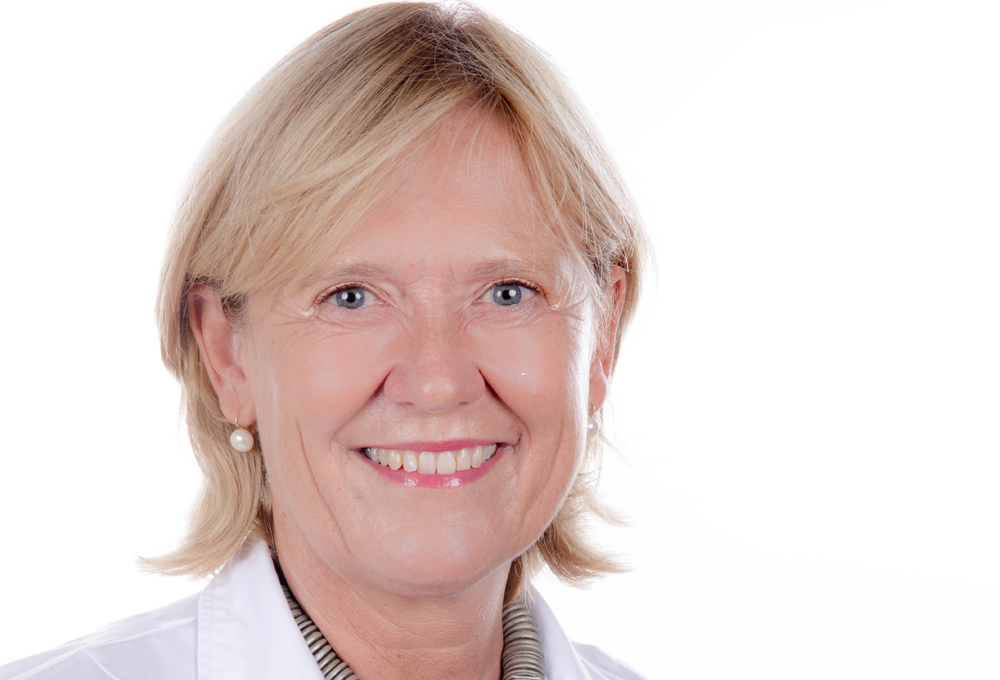
Department of Internal Medicine
Medical University of Graz