A growing threat in the fight against fungal diseases
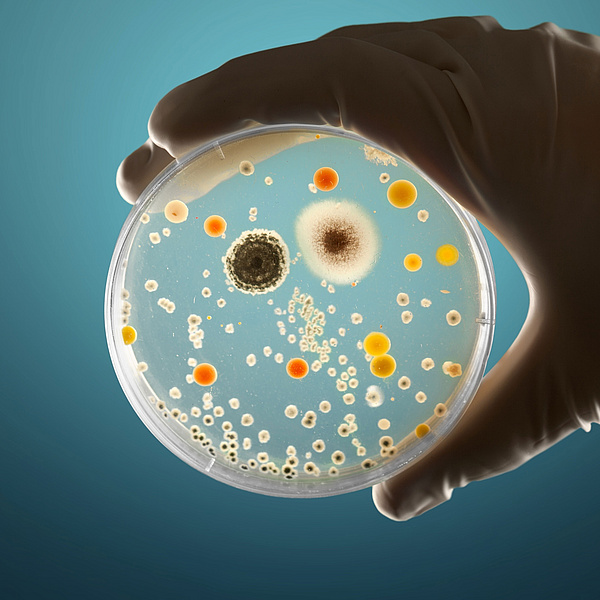 Mikroorganismen in einer Petrischale
-
© stock.adobe.com - BillionPhotos.com
Mikroorganismen in einer Petrischale
-
© stock.adobe.com - BillionPhotos.com
Michaela Lackner, a researcher based in Innsbruck, has warned of growing resistance to azoles – a key class of drugs used to treat fungal infections – and the associated threat to humans, animals and the environment. Alongside the better-researched issue of antibiotic resistance, this is becoming an increasing threat, Lackner emphasised in an interview with APA. She therefore called for antifungal resistance to be included in the global action plan against antimicrobial resistance.
“The aim is to maintain the effectiveness of the few available drugs against severe fungal infections,” explained the scientist from the Medical University of Innsbruck. With the article in the specialist journal “Nature Medicine”, she and a team of experts aim to raise awareness of the issue and draw greater attention to the growing threat posed by antifungal resistance, alongside the already well-known antibiotic resistance. Furthermore, the World Health Organisation’s (WHO) “Global Action Plan on Antimicrobial Resistance” (GAP-AMR) is due to be updated in May for the coming years. Mycology – the study and clinical management of fungal infections – is a relatively young discipline and is therefore not yet incorporated into this global plan; according to Lackner and the team of experts, this is set to change this year.
Curbing antimicrobial resistance
The updated GAP-AMR will subsequently be adopted by other global organisations such as the Food and Agriculture Organisation of the United Nations (FAO), the World Organisation for Animal Health (WOAH) and the United Nations Environment Programme (UNEP). A draft of the plan has already shown that, in future, a strategic focus will be placed on reducing the use of antimicrobial agents in agricultural and food systems, as well as on broader monitoring using additional data. Measures such as hygiene or improved husbandry practices should also reduce the need for antibiotics, the expert explained. This would certainly help to better contain resistance, and medicines and substances used in medicine and agriculture would retain their effectiveness.
Fungal infections and increasing resistance to relevant medicines have so far received less attention compared to antibiotic resistance. Yet this resistance arises “from the field right through to intensive care”, said the expert, pointing to widespread use in European agriculture, as well as in human and veterinary medicine.
Widespread use of azoles in the EU
In medicine, however, only three classes of active substances are currently available to treat severe fungal infections, explained Lackner. One of these, the azoles, is used in human medicine, in veterinary medicine, but above all in agriculture. This is precisely where the greatest resistance problem lies, partly because the mould Aspergillus fumigatus is increasingly developing azole resistance. “Fungi in north-western Europe – for example in the UK or the Netherlands – already exhibit very high azole resistance rates of between 11 and 15 per cent,” the researcher explained. In Austria, the figures are even lower, as the use of fungicides in domestic agriculture is not as widespread, Lackner surmised.
“In terms of volume, more than 99 per cent of azoles are used in agriculture, for example for crop protection,” she said. In the European Union, she added, around 120,000 tonnes of azoles or azole-containing sprays have been applied over the last ten years. “That is a massive amount,” emphasised Lackner. Human and veterinary medicine, however, account for only around 0.2 per cent combined. “Stricter monitoring is absolutely essential,” the researcher demanded. More data is needed on resistance rates, actual fungicide use and environmental impact.
Balancing patient protection and crop security
According to estimates, around 3.75 million people worldwide die each year from fungal infections, the researcher explained. Those most affected are vulnerable groups and severely immunocompromised patients. Effective medicines must certainly be protected, whilst at the same time preventing fungi from becoming increasingly resistant to drugs or pesticides.
Lackner highlighted the importance of the issue for agriculture: “Around 30 per cent of global crop yields are lost due to fungal infections.” She emphasised that these crop losses could feed around 600 million people annually.
Source: APA-Science, 15 April 2026
Martin Hönigl from the Medical University of Graz was involved in the appeal: “Our research has shown that climate change has become a major driver of increased virulence, the development of heat tolerance and antifungal resistance in fungal pathogens such as Aspergillus fumigatus in the environment, which in turn can have adverse effects on vulnerable patients who come into contact with these fungi,” said the researcher.