A major boost for cancer research: New CD laboratory officially opened
 Med Uni Graz/Helmut Lunghammer
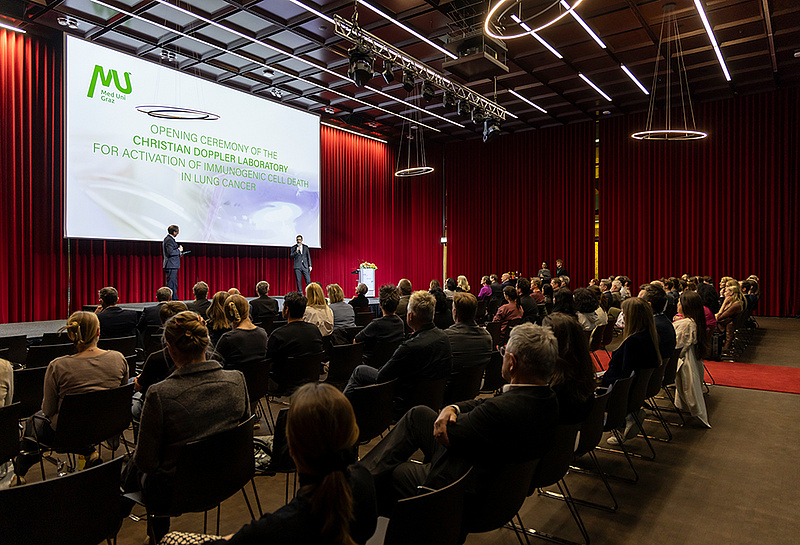
The official opening of the new Christian Doppler Laboratory for the Induction of Immunogenic Cell Death in Lung Cancer took place yesterday in the auditorium of the Medical University of Graz. Numerous representatives from the worlds of science, business and politics attended the event, thereby highlighting the great importance of the new research laboratory for the further development of innovative cancer therapies.
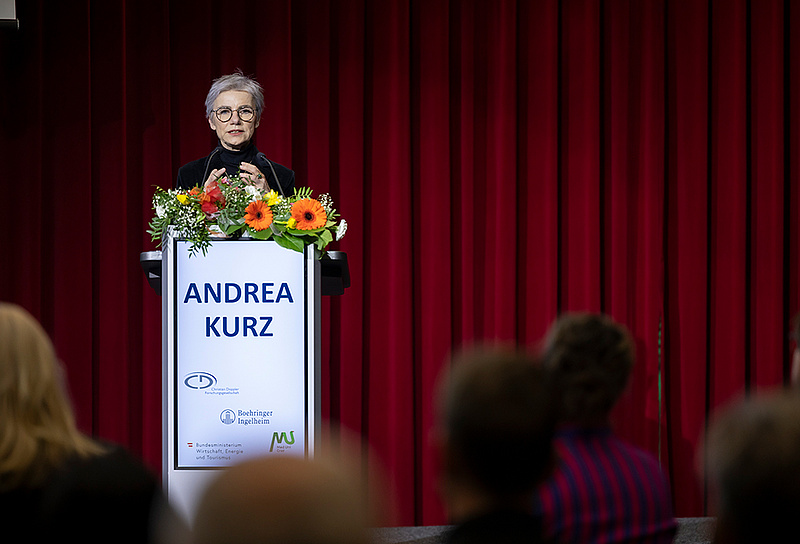
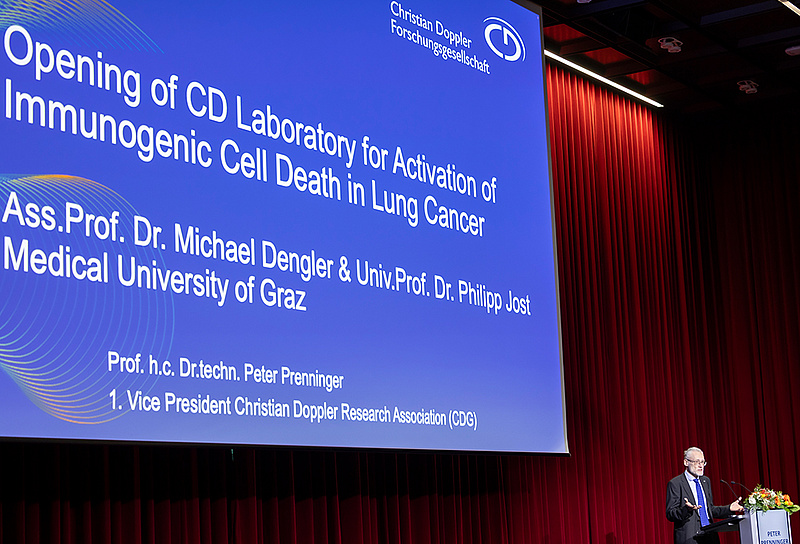
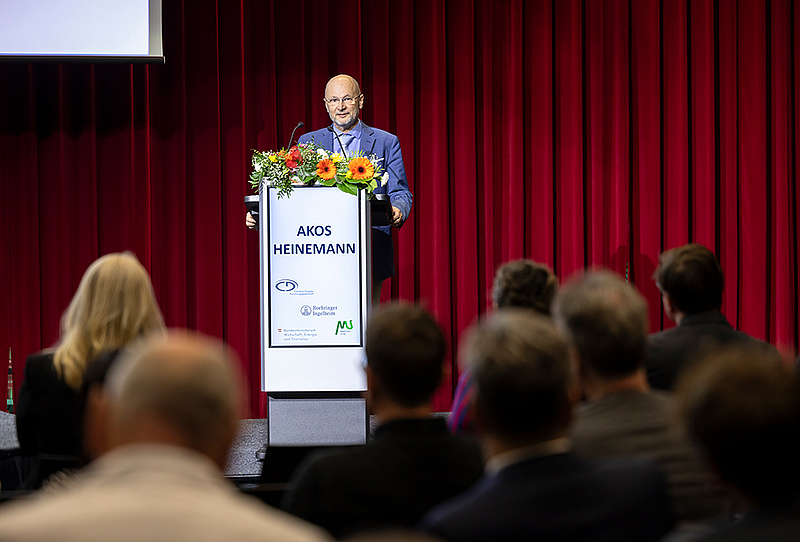
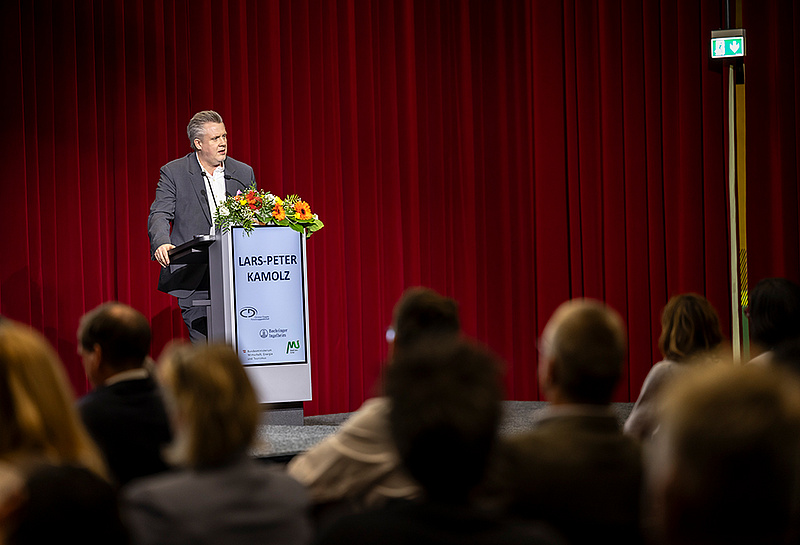
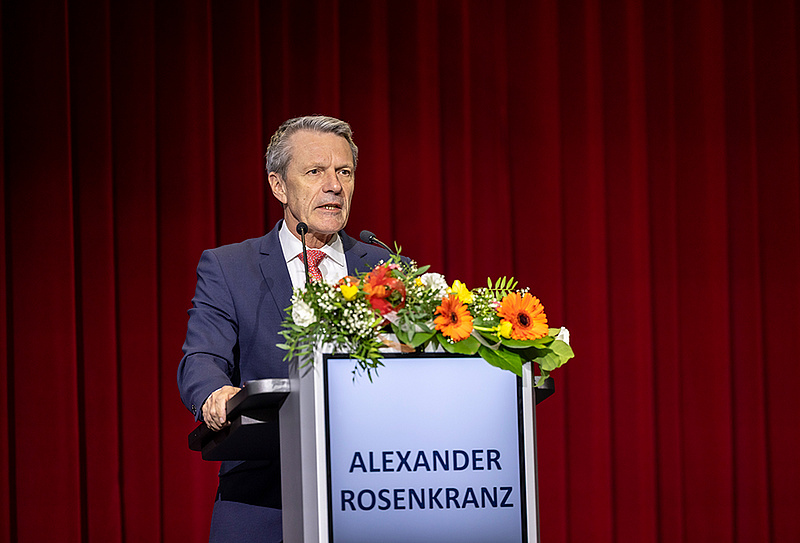
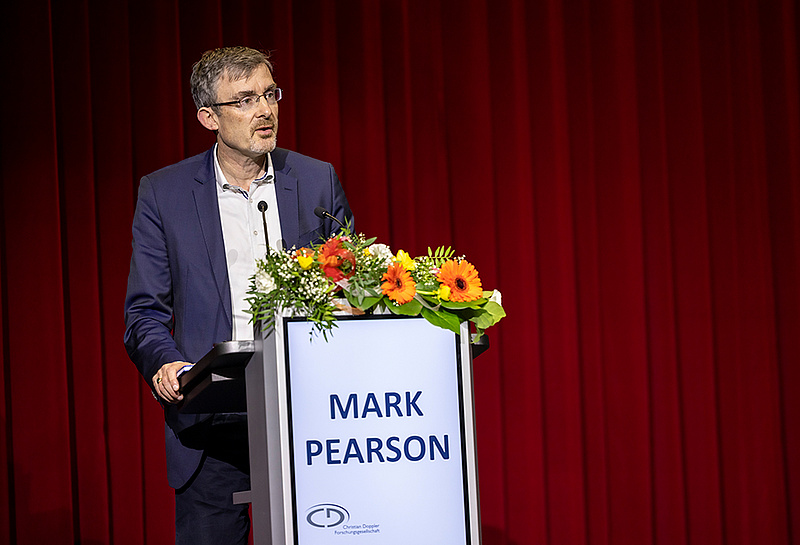
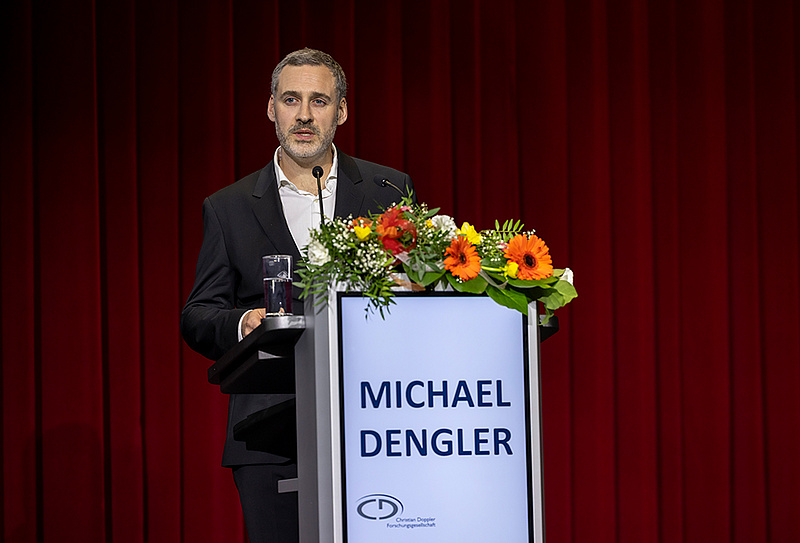
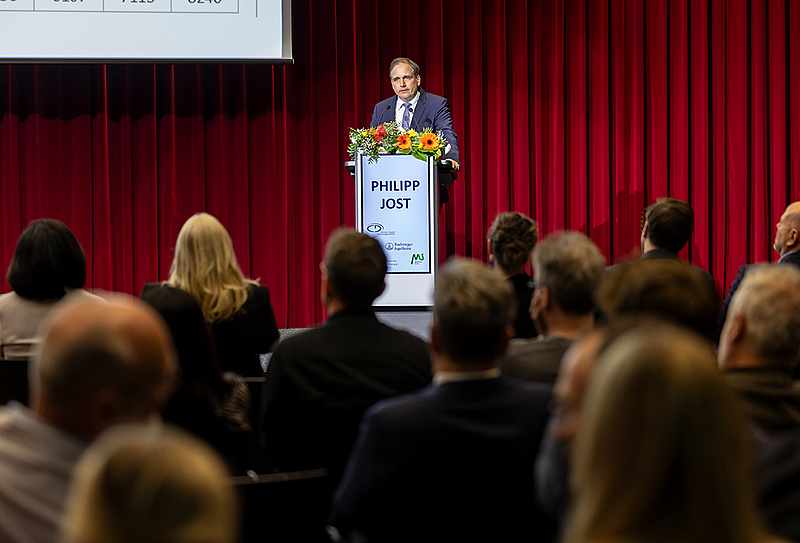
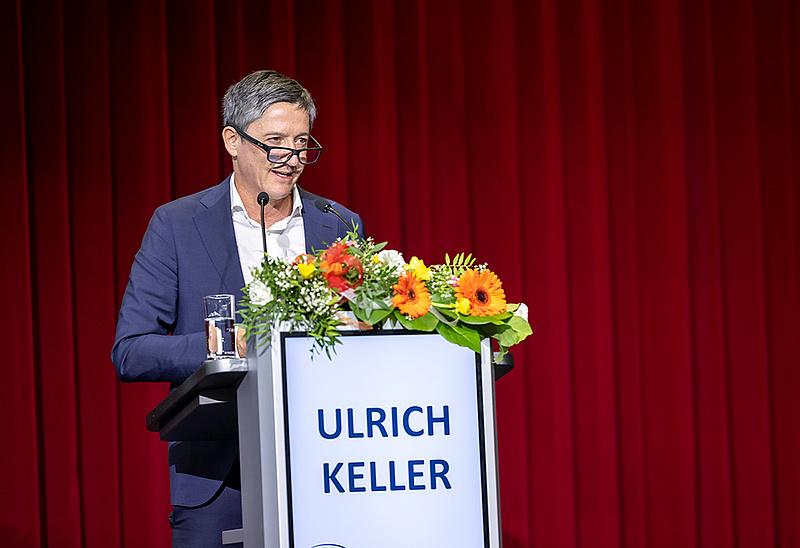
The event was officially opened by Rector Andrea Kurz. In her address, she emphasised the importance of the Christian Doppler Laboratories as a bridge between excellent basic research and industrial application. This was followed by welcoming remarks from Peter Prenninger, Vice-President of the Christian Doppler Research Association & AVL List GmbH, Akos Heinemann, Vice Rector of Research at the Medical University of Graz, Lars-Peter Kamolz, Deputy Medical Director of Graz University Hospital, Alexander Rosenkranz, Vice Rector of Clinical Affairs, Innovation and Sustainability at the Medical University of Graz, and Mark Pearson, Senior Scientific Director of External Innovation at Boehringer Ingelheim RCV. All speakers emphasised the strategic importance of the new CD laboratory – particularly with regard to the development of new therapeutic approaches for non-small cell lung cancer (NSCLC), one of the world’s most common and aggressive types of cancer. A video tour gave guests a first glimpse of the laboratory’s research infrastructure and scientific focus areas. Following this, the two principal investigators, Michael Dengler and Philipp Jost, presented their research programmes. Both emphasised the importance of gaining a better understanding of the mechanisms of immunogenic cell death in order to make tumour cells more ‘visible’ to the immune system and thus develop more effective therapies in the long term. The scientific highlight was the keynote address by Ulrich Keller (Charité Berlin), who spoke about the current challenges and opportunities in clinical translation in cancer medicine. He highlighted how closely basic research, clinical trials and industrial development must be interlinked in order to successfully bring new therapies to patients. Following the closing remarks by the laboratory directors, a standing dinner provided an opportunity for networking. The guests took the opportunity to network and strengthen future collaborations.