Medical University of Graz Strengthens Cooperation with Singapore
 -
©peopleimages.com - stock.adobe.com
-
©peopleimages.com - stock.adobe.com
Finding answers to the major challenges facing medicine, such as the changes in the immune system over the course of a lifetime, requires a targeted pooling of expertise that only a university can provide. Intensifying international collaboration and exchanging scientific expertise are essential factors in this process. The Medical University of Graz is therefore pursuing a new internationalization strategy aligned with its scientific strengths. This concept acts as a strategic catalyst for developing excellence at the Medical University of Graz, sustainably increasing scientific competitiveness through global collaborations while simultaneously enhancing the visibility of expertise at the university.
A current example of this strategic focus is the deepening of ties with Singapore, one of the world's most dynamic locations for life science research and innovation. Expanding contacts with leading research institutions in the city-state opens up new perspectives for future collaborations in key areas of medicine, including immunology, infection research, bioinformatics, and artificial intelligence.
Strategic Partnerships for Future Research Collaborations
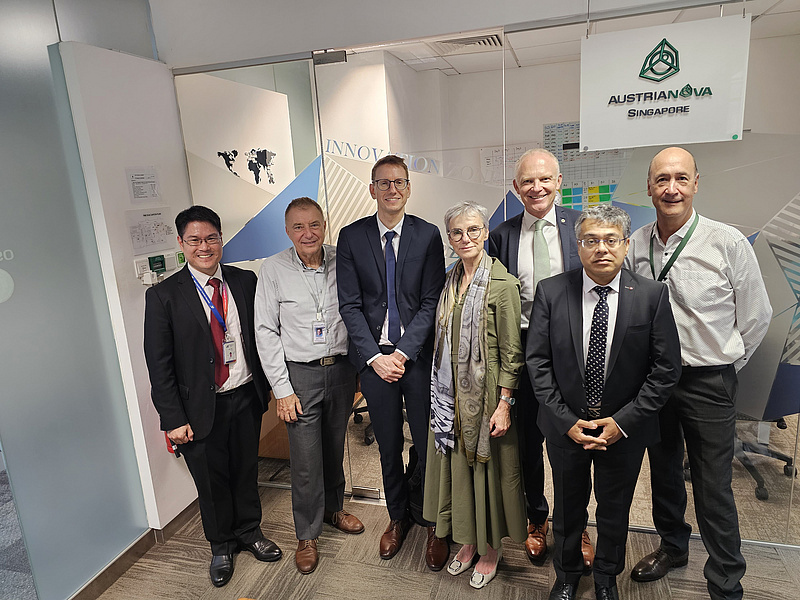
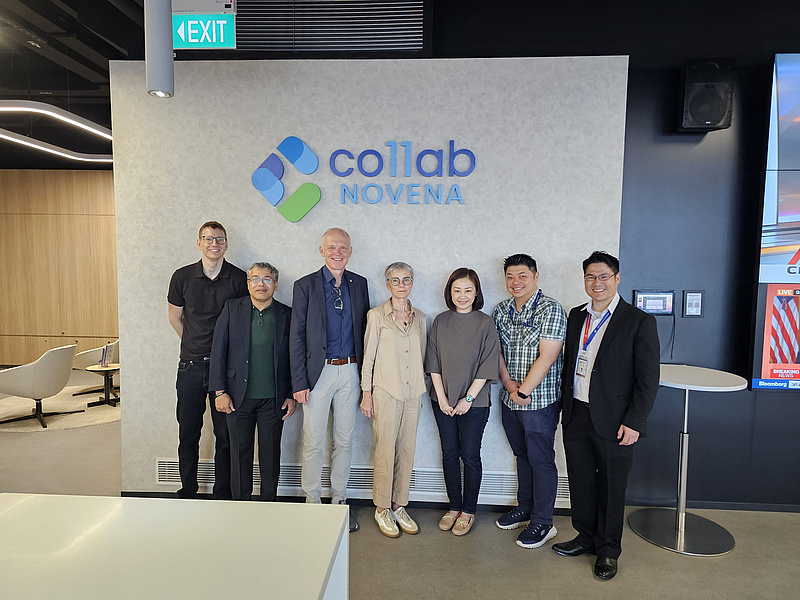
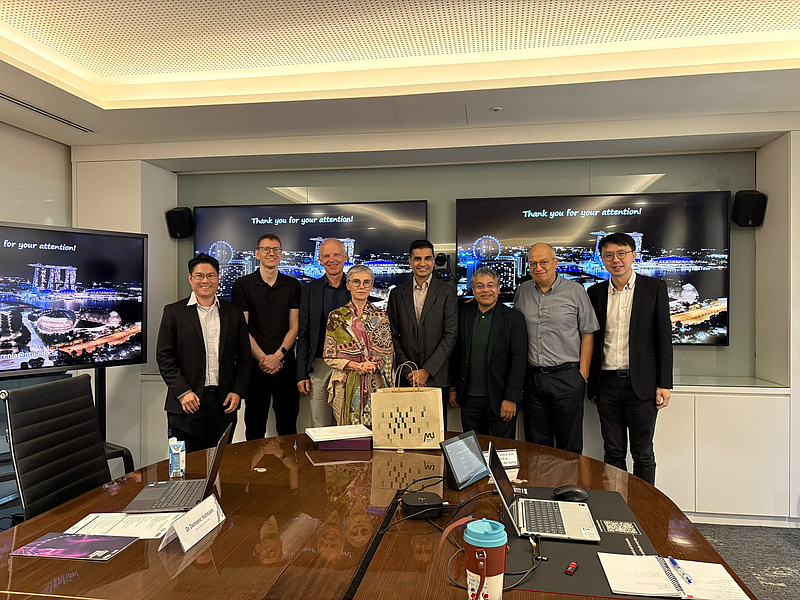
During a visit to Singapore, a delegation from the Medical University of Graz, led by Rector Andrea Kurz and Christian Wadsack, Head of the Excellence Development and Internationalization Unit, held discussions with leading research and educational institutions. The aim was to deepen existing contacts, identify shared scientific interests, and lay the foundation for future collaborations.
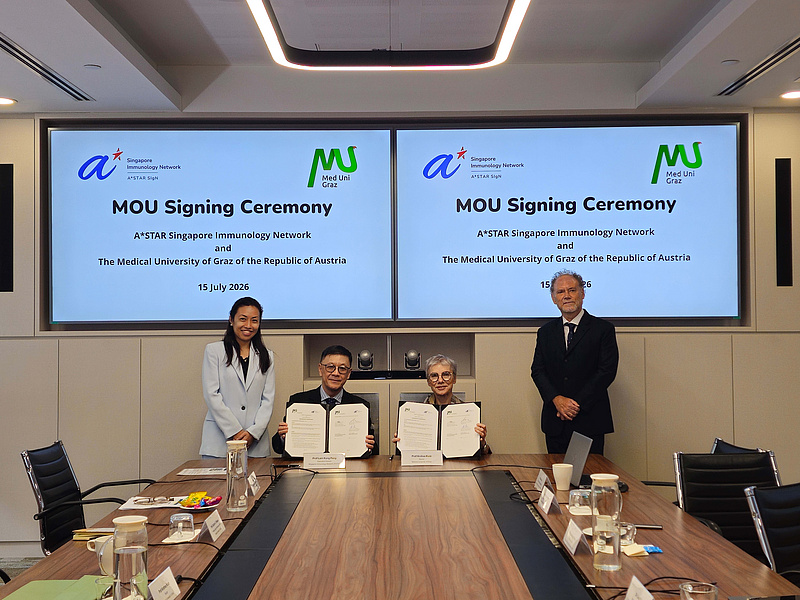
A key milestone was the signing of a Memorandum of Understanding (MoU) with A*STAR (Agency for Science, Technology and Research), Singapore’s lead public sector R&D agency. The agreement establishes an institutional framework for further collaboration and supports the exchange of researchers as well as the development of joint research activities in selected areas.
Discussions with Lisa Ooi, Assistant Chief Executive of the Biomedical Research Council at A*STAR, and Lam Kong Peng , Executive Director of the A*STAR Singapore Immunology Network (A*STAR SIgN), focused on potential collaborations in the fields of immunology and infection research. Numerous points of connection exist between the scientific priorities of both institutions. Subhra Biswas, from the Ignaz Semmelweis Institute for Infectious Disease Research at the Medical University of Graz, contributes his expertise.
Furthermore, opportunities for future collaborations in the field of AI-supported modelling of biomedical issues were discussed with Sebastian Maurer-Stroh, Executive Director of the A*STAR Bioinformatics Institute (A*STAR BII). The research infrastructure of the Medical University of Graz, particularly the biobank with its access to extensive patient cohorts, provides an important foundation for this, creating essential prerequisites for translational research.
The Medical Science City Graz as an Innovation Ecosystem
The international network of the Medical University of Graz is based on strong scientific and infrastructural resources at the location itself. As a central component of the Medical Science City Graz, the university is part of a research and innovation ecosystem that connects university research, clinical care, non-university research institutions, and innovative companies.
This close networking creates ideal conditions for advancing scientific findings toward medical applications and offers attractive opportunities for international research collaborations. The combination of scientific expertise, clinical proximity, and modern research infrastructure makes the Medical University of Graz a reliable partner for international cooperation.
International Networks for the Medicine of the Future
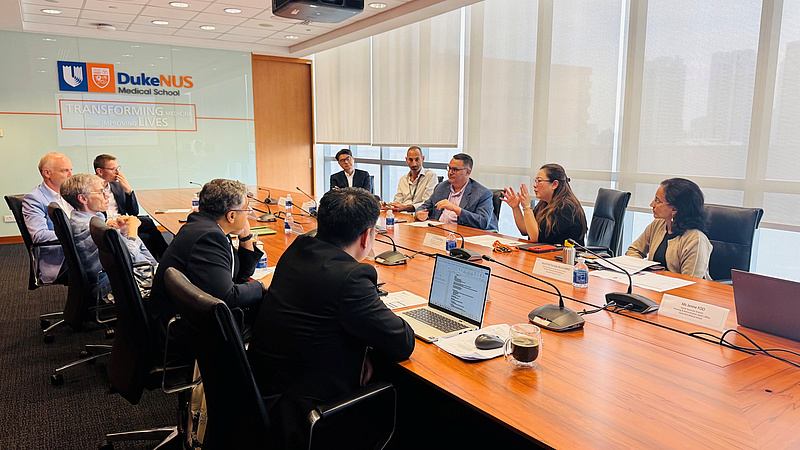
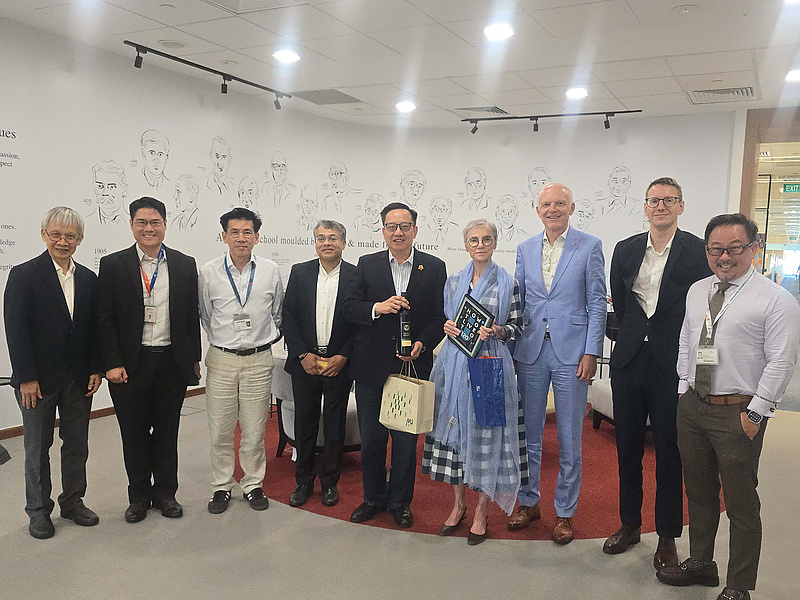
In addition to A*STAR, the delegation visited other renowned research and educational institutions in Singapore, including the Yong Loo Lin School of Medicine at the National University of Singapore, the Lee Kong Chian School of Medicine at Nanyang Technological University, and the Duke-NUS Medical School. Discussions focused on potential collaborations, scientific exchange, and shared perspectives in research and the promotion of young researchers.
Plans include further discussions on joint PhD activities, exchange opportunities for early-career researchers, and the review of joint research proposals.