Vaccinations for aging people: Advice for the colder months
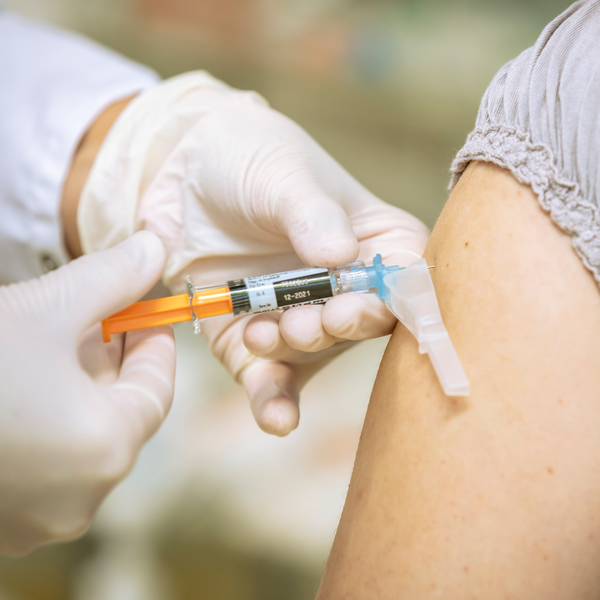 © Helmut Lunghammer/Med Uni Graz
September is here; days when the temperature exceeds 30 degrees are becoming less frequent, and the heat is increasingly giving way to rain showers. As summer slowly draws to a close and autumn approaches, preparations for the colder months are coming to the fore. Infectious diseases such as seasonal flu and COVID-19 pose particular risks to older people. Andrea Grisold, Head of the Department of Clinical Microbiology, Hospital Hygiene and Vaccinations at the Medical University of Graz, offers advice on which vaccinations are particularly important for older people.
Vaccination protection for the cold season
Autumn also marks the peak season for respiratory infections. It is therefore best to start thinking now about protection for the coming months. Now is a good time to ensure your personal vaccination protection is up to date.
The annual flu vaccination is recommended for everyone aged six months and over and is particularly important for people aged 60 and over, as well as those with certain pre-existing conditions.
For the 2026/27 season, influenza vaccines will continue to be available free of charge as part of the Austrian public vaccination programme. Ideally, the vaccination should be administered in autumn.
The COVID-19 vaccination also remains an important part of protection against severe illness. It is recommended in particular for people aged 60 and over and for those at increased risk.
For RSV (respiratory syncytial virus), the vaccine is generally recommended for adults aged 60 and over. Older people and those with certain chronic conditions or a weakened immune system are particularly at risk.
Vaccination protection beyond the winter months
However, even outside the typical cold season, it is worth older people checking their current vaccination status. The Austrian vaccination schedule therefore provides specific vaccination recommendations for older people – including against herpes zoster (shingles) and pneumococci.
Shingles: painful and preventable
Shingles is caused by the varicella-zoster virus, which remains in the body after a bout of chickenpox and can be reactivated later in life. The risk of developing the condition increases with aging. Typical symptoms include painful skin lesions that appear along a nerve. Prolonged nerve pain can also occur as a result of shingles.
The herpes zoster vaccine is recommended in Austria for everyone aged 60 and over. It is also recommended for people aged 18 and over who are at increased risk. The vaccine is available free of charge to the relevant groups under the public vaccination programme.
Pneumococci: Protection against severe respiratory infections
Pneumococci are bacteria that can cause, amongst other things, pneumonia and other serious infections. The risk of serious illness increases particularly in older people and in those with certain underlying medical conditions.
The pneumococcal vaccination is therefore recommended for all adults from their 60th birthday onwards. A pneumococcal vaccine is available for this age group under the Austrian public vaccination programme. People with certain health risks can also benefit from a pneumococcal vaccination, regardless of their age.
Have your vaccination record checked
“Particularly as you get older, you shouldn’t wait until the next wave of infection has already begun before thinking about vaccinations,” advises the expert. Checking your vaccination record and speaking to your doctor can help you review your individual vaccination status and fill any gaps in your vaccination history.
Profile: Andrea Grisold
Andrea Grisold is a specialist in hygiene, microbiology, infectious diseases and tropical medicine. She heads the Department of Clinical Microbiology, Hospital Hygiene and Vaccinations at the Diagnostic and Research Institute of Hygiene, Microbiology and Environmental Medicine at the Medical University of Graz. The Travel Medicine Clinic at the Institute of Hygiene serves as a point of contact and advice centre for all types of vaccinations.
#Healthy Aging – ageing healthily
Healthy Ageing at the Medical University of Graz – research, teaching and practice in dialogue