Focus on archaea: a key role in skin health
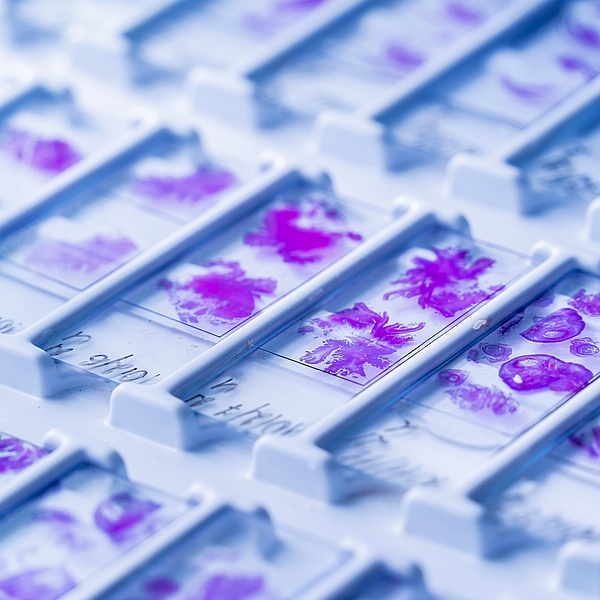 Rows of microscope glass slide in the cells.
-
© romaset - stock.adobe.com
Rows of microscope glass slide in the cells.
-
© romaset - stock.adobe.com
Researchers at the Medical University of Graz and the University of Vienna have identified previously unknown ammonia-oxidizing archaea in the human microbiome, microorganisms that may significantly influence the health of our skin.
Two new species have been discovered: Nitrosocosmicus epidermidis and Nitrosocosmicus unguis. Using modern analysis methods, the team succeeded in deciphering the genetic blueprints of these microbes, which have rarely been the subject of research. This opens up new insights into metabolic pathways and microbial interactions that are of particular interest to researchers.
No exotic species
More than 700 samples taken from different regions of the body were analyzed. The outcome: By no means are the newly identified archaea rare exotic species; instead, they are apparently common inhabitants of our skin.
"Particularly striking is their interaction with certain bacteria such as Lawsonella and Finegoldia, which are more prevalent on dry and fatty areas of the skin," says first author Alexander Mahnert. For science, this provides an indication that archaea might be deeply involved in complex microbial skin networks.
For the researchers, the significance of the discovery goes far beyond the identification of new microbes. "We have entered new scientific territory," says co-first author Maximilian Dreer. Cultivation of organisms helps to better understand the hidden role of archaea in the human body, from their metabolic pathways to their influence on how different microorganisms interact.
Interaction on the skin
Study leaders Christa Schleper and Christine Moissl-Eichinger agree that the medical prospects are also promising: "With our cultures, we can now directly investigate how these archaea convert ammonia to nitrite and utilize urease and how they interact with other microbes on the skin." This metabolic pathway might influence the chemical environment of the skin and thus its microbial communities and the formation of biofilms.
Thus, the study opens up new fields of research. In the future, it should be clarified what concrete roles these archaea play in skin health and how they interact with other microorganisms. The strains now in cultivation will provide the foundation for this research.
Further Information and Contact
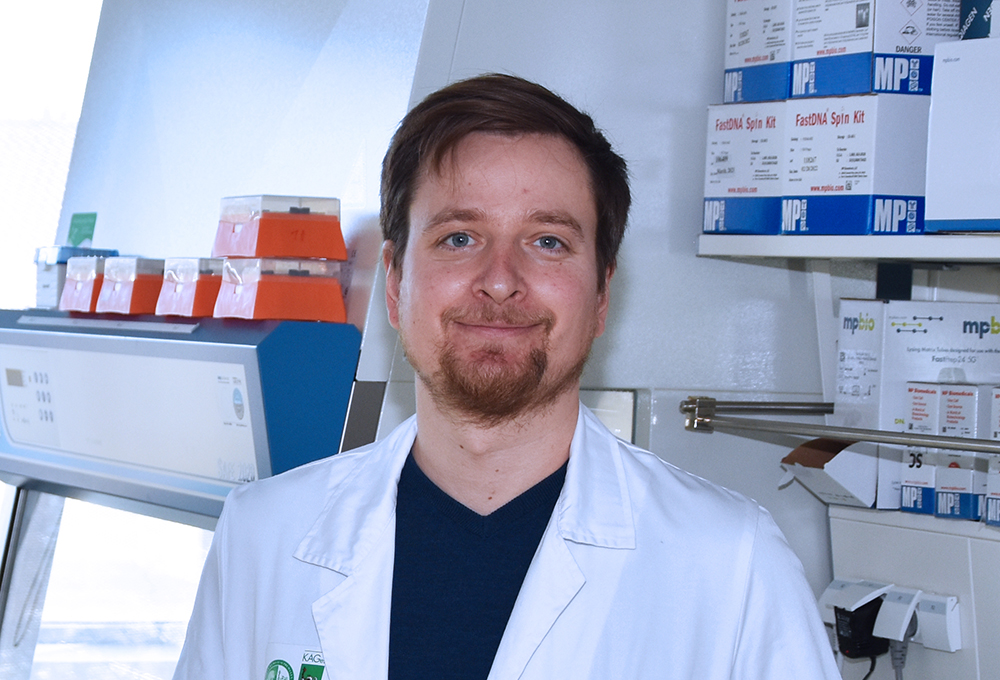
Diagnostic and Research Institute of Hygiene, Microbiology and Environmental Medicine
Medical University of Graz
Further Information and Contact
Faculty of Life Sciences
University of Vienna