The Digital Brain: Christian Enzinger presented his book
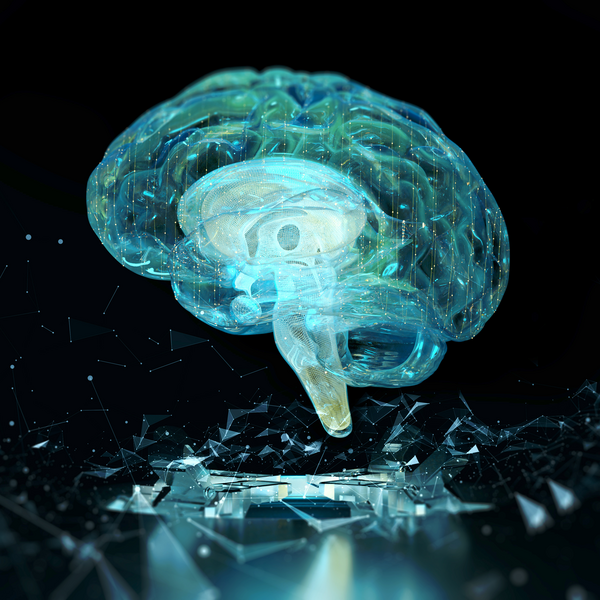 Ein 3D-Modell eines Gehrins
-
© spigus - stock.adobe.com
A large number of visitors came to the Medical University of Graz to attend the presentation of Christian Enzinger’s new book, *Das digitale Gehirn*. Geraldine Zenz chaired the event following an introduction by Vice-Rector Alexander Rosenkranz.
Our brains are constantly under strain these days: news, social media, digital information and, increasingly, artificial intelligence are part of our everyday lives. But what effect does this constant flood of digital stimuli have on our thinking? And how can we make sensible use of AI without outsourcing important cognitive functions to it? Christian Enzinger addressed these questions in his talk and presented key insights from his new book. Among other things, he discussed the remarkable adaptability of the human brain. Thanks to its neuroplasticity, it can change throughout a person’s lifetime and adapt to new challenges.
The university professor of neurology and author spoke about how the digital world is changing the way we think, learn and pay attention; the importance of periods of rest was also a key focus, as was the question of how AI can be used sensibly as a tool without replacing our own thinking. “AI should be seen as a tool, as a way of augmenting our brain’s capabilities, not as a substitute for thinking,” emphasised Christian Enzinger. Following the talk, attendees took the opportunity to ask questions and discuss the opportunities and challenges of digital development with the neurologist.
With *The Digital Brain*, Christian Enzinger aims to offer scientifically grounded insights into how we can harness the possibilities of the digital world without losing sight of our own thinking, creativity and inner peace.